Herpetology and Me
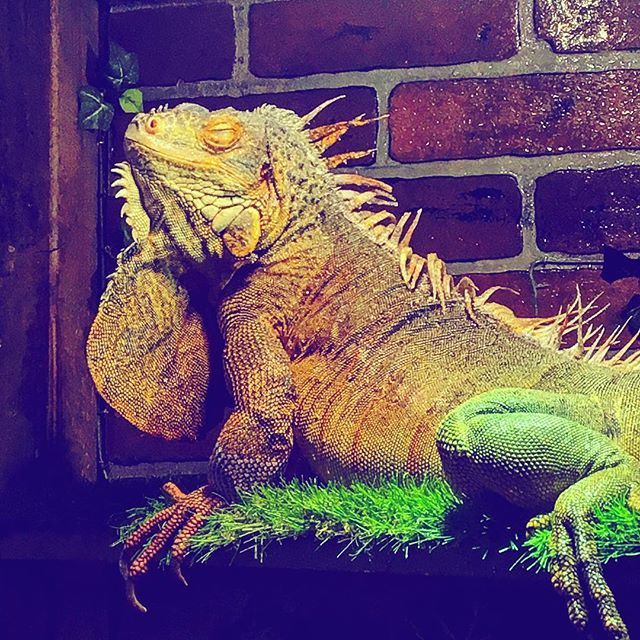
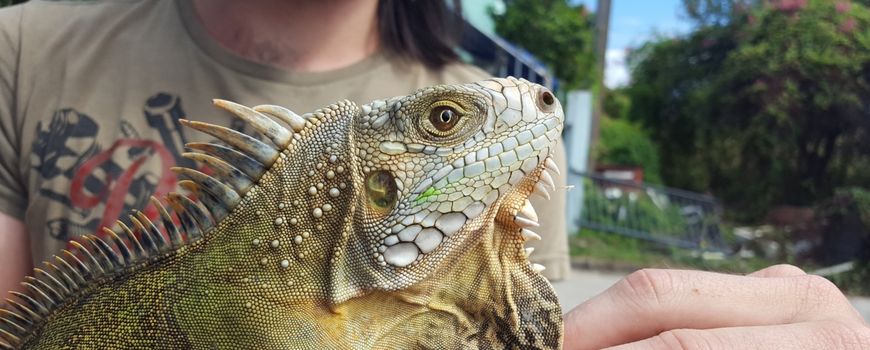
The Inside Story: Reptile ownership often begins with a baby Green Iguana
Wednesday, September 30, 2020
Friday, May 17, 2019
Tuesday, April 30, 2019
Komodo Dragons could hold the key to beating Superbugs

DailyMail
Wednesday, Feb 22nd 2017
DRAGONS could hold the key to beating superbugs: Komodo blood found to have 'superantibacterial' properties
- Komodo dragons have at least 57 types of bacteria in saliva, but appear resistant
- Researchers incubated Komodo dragon blood, revealing antimicrobial activity
- Discovery could help develop new drugs to fight antibiotic-resistant superbugs
By Cheyenne Macdonald For Dailymail.com
Published: 22 February 2017
They’re the largest lizards in the world, with deadly saliva that’s loaded with at least 57 species of bacteria to bring down their prey.
And, according to new research, the blood of Komodo dragons could be the key to developing new drugs in the fight against antibiotic-resistant superbugs.
The team used a method known as ‘bioprospecting,’ revealing antimicrobial protein fragments in their blood that protects them against infections.
They’re the largest lizards in the world, with deadly saliva that’s loaded with at least 57 species of bacteria to bring down their prey. And, according to new research, the blood of Komodo dragons could be the key to developing new drugs to fight antibiotic-resistant superbugs
THE GROWING THREAT OF SUPERBUGS
Antibiotic resistance occurs when bacteria change to 'outsmart' or resist antibiotic medicine, making it close to impossible to treat the infection.
The bacterium that carries resistance genes to many different antibiotics is called a superbug.
Most of these infections occur in hospitals or in medical care facilities, such as nursing homes.
The Centers for Disease Control and Prevention said that more than two million people are infected with antibiotic resistant bacteria every year.
More than 23,000 people die from these infections each year.
Experts say that if the epidemic is not brought under control, superbugs may kill more people than cancer by the year 2050.
In the study, researchers from the College of Science at George Mason University investigated whether they could isolate substances known as cationic antimicrobial peptides from Komodo dragon blood – massive lizards the dwell on five small islands in Indonesia.
These CAMP substances are an essential part of the innate immune system, and the team had previously done this with alligator blood.
In a technique called bioprospecting, they incubated the Komodo dragon blood with negatively charged hydrogel particles that they developed to capture the positively charged peptides.
This allowed the researchers to identify and sequence 48 potential CAMPS with mass spectrometry.
All of these, except for one, was derived from histone proteins.
These types of proteins are known to have antimicrobial activities.
The researchers then synthesized eight and tested them against Pseudomonas aeruginosa and Staphylococcus aureus.
The antibiotic resistant strain of S. Aureus (MRSA) is a growing problem worldwide.
The analysis revealed that seven of the peptides from the Komodo dragon blood were potent against both of the bacteria.
The eighth peptide was only effective against P. aeruginosa.
The researchers then synthesized eight and tested them against Pseudomonas aeruginosa and Staphylococcus aureus. The antibiotic resistant strain of S. Aureus (MRSA) is a growing problem worldwide
It’s thought that the bacteria in Komodo dragons’ saliva helps them to kill their prey.
But, the dragons themselves appear to be resistant.
According to the new research, serum derived from the animals may have antibacterial abilities as well.
This could pave the way for new therapeutics to treat antibiotic resistant bacteria.
‘The study demonstrates the power and promise of our bioprospecting approach to cationic antimicrobial peptide (CAMP) discovery and it reveals the presence of a plethora of novel h
‘These findings may have broader implications regarding the role that intact histones and histone-derived peptides play in defending the host from infection.’
Komdo Dragons are complicated killers

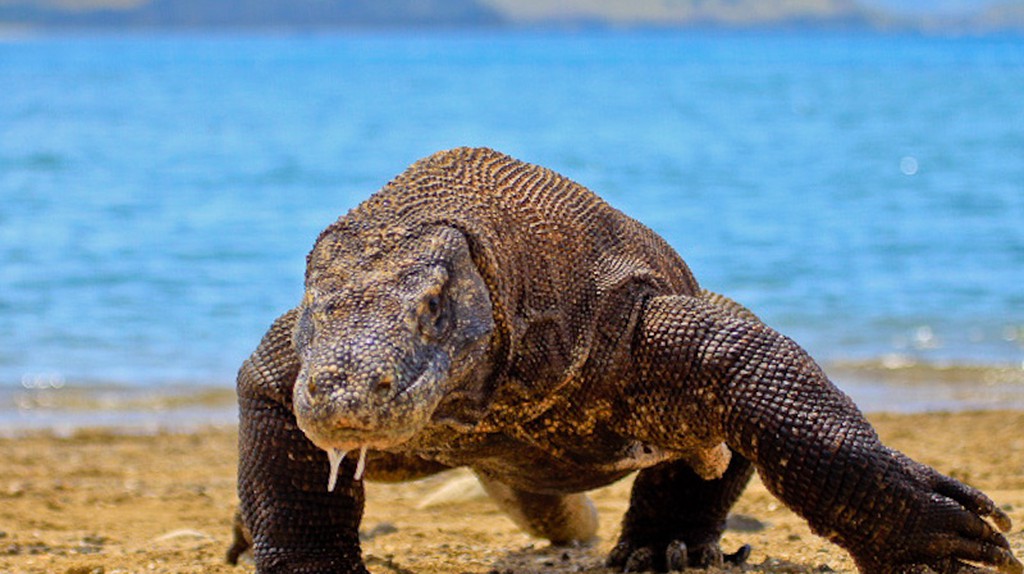
Komodo Dragon
Zoo Dragon
Komodo National Park in Indonesia Is One of the World's Finest Treasures
EDIRA PUTRI
19 JUNE 2017
Komodo National Park comprises three islands—Komodo Island, Padar Island, and Rinca Island—and numerous surrounding smaller islands.
A beach at Komodo National Park
The park’s importance is acknowledged by global organizations such as a UNESCO World Heritage Site in 1991. WWF and Conservation International have recognized the place as a global conservation priority area. The park’s status as one of the 'New 7 Wonders of Nature' has established its global significance.
Komodo Dragons can only be found on five islands in the world, four of which are part of the national park, plus the nearby Flores Island in East Nusa Tenggara.
According to scientists, this particular species has managed to survive for millions of years, making it one of the oldest species that still exists today.
Many scientists believe that the otherworldly Dragons are close relatives to the dinosaur, from the same era and showing similar bodily structure. Thus, Komodo Dragons are often called “the last dinosaur in the world.” The species is the largest living species of lizard, with an average length of 2-3 meters.
The mighty Komodo Dragon
The national park's distinctive natural environment combines a nutrient-rich ocean water and volcanic elements, which have made it possible for thousands of different species to thrive in and around the islands. As many as 1,000 species of tropical fish, 260 species of coral, 70 species of sponge, as well as endemic species like the orange-footed scrub fowl, the Timor deer, Rinca rat, turtles, dolphins, and dugongs.

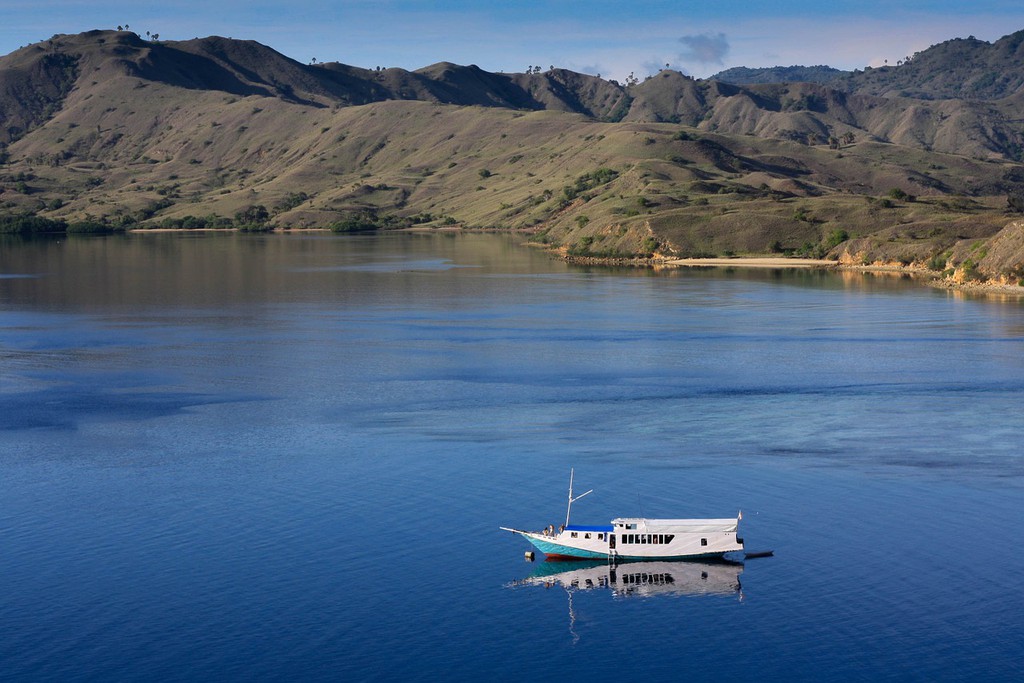
The blue sea of Komodo National Park, Indonesia

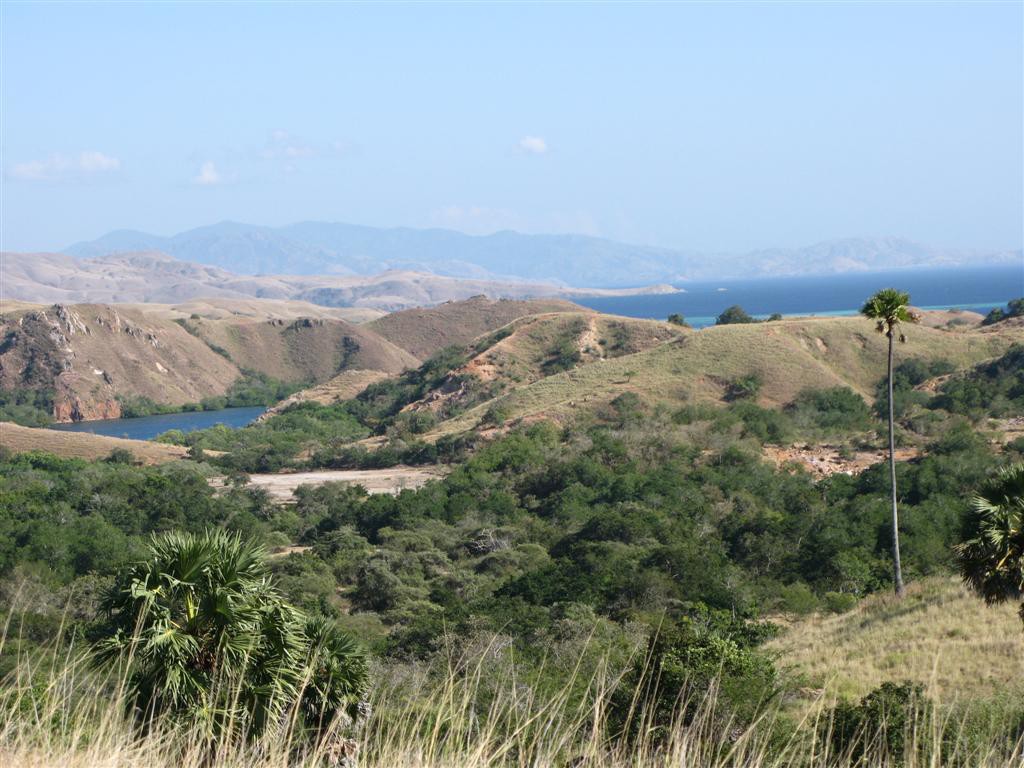
The view at Komodo National Park, Indonesia
Facts about the Komodo Dragon
• They can run up to 20 kph.
• When a baby Komodo dragon hatches it burrows out of its dirt mound of a nest and makes for the nearest tree to stay until it grows up. It must make it to the tree before its mother sees it or she will eat it. Up in the tree it stays living on insects, lizards, birds and anything else that has the misfortune of landing there until it is too heavy to stay on a branch. They are camouflage grey/brown, so hard to see them in the trees, or on the ground.
• There are over 2,200 dragons on the 390 sqm Komodo island and two other islands nearby. They are also all micro-chipped. To do that risky job, one lures them into a cage with raw meat and jabs the chip in.
• Locals believe that it’s the toxic bacteria in Dragon saliva that kills, but a scientific study by the University of Melbourne in 2009 dispelled that and proved that there is venom in their saliva. If the prey manages to get away it soon collapses and dies and the dragon can feast on it later. It's hard to survive their sharp teeth and deadly claws.
Link: https://theculturetrip.com/asia/indonesia/articles/why-the-komodo-national-park-in-indonesia-is-one-of-the-worlds-finest-treasures/
Largest Lizard on Earth | The Komodo Dragon | Deadly 60 | Indonesia | Series 3 | BBC
Published on Feb 14, 2014
SUBSCRIBED 4.2M
Steve Backshall travels to Indonesia in search of reptiles to add to his list of 60 deadly predators. He and his crew have a nerve-racking close encounter with three metre long Komodo dragons, the world's largest venomous lizards!
Komodo Dragons Kill With Venom, Researchers Find
BY CAROLYN BARRY
Dispelling what one expert calls a scientific fairy tale, a new study shows that the fierce lizards ooze venom, not toxic bacteria, into bites to help weaken and ultimately kill their prey.
In the venom, some compounds that reduce blood pressure are as potent as those found in the word's most venomous snake, western Australia's inland Taipan.
Komodo Combo Attack
While his colleagues expressed surprise at the findings, Fry said he wasn't so shocked.
His earlier research had shown that other lizard species—such as iguanas, legless lizards, and monitor lizards—are also venomous.
In fact, Fry estimates that close to a hundred of the more than 5,000 known lizard species use venom.
What is surprising, Fry said, is Komodo dragons' elaborate venom-delivery system.
"It's the most complex duct system described in reptiles to date," he said.
Snakes typically have a single venom duct that leads to their fangs. But Komodos have multiple ducts located between their teeth.
However, this means Komodo dragons don't deliver their venom as efficiently as snakes, Fry said.
Rather than injecting venom directly via a forceful bite, the dragons use a specialized bite-and-pull motion to ooze the toxin into wounds during a sustained, frenzied attack.
"They're not like the cobra, where venom is the only game in town. Komodos have a combined arsenal," Fry said.
The findings suggest that the Komodo's ancient relative, the Megalania, used a similar venom-plus-wounding approach.
The giant lizard, which roamed Australia about 40,000 years ago, measured about 13 feet (4 meters) long.


Komodo dragons fight over a kill

Steve Irwin

Steve Irwin
Wednesday, April 24, 2019
Information Overload is the Bane of my Life
My daily struggle is to understand what is important, to my situation, in the constant barrage of information on the Internet.
What can and should be ignored?
Is my purpose to seek distraction, novelty and entertainment?
Or is the goal and purpose to my Net Surfing to gain valuable knowledge?
What do I hope to accomplish?
“There are things that attract human attention, and there is often a huge gap between what is important and what is attractive and interesting."
- Yuval Noah Harari
And Donald Trump has not helped make being informed easy with all his mixed messages.
“If the doors of perception were cleansed every thing would appear to man as it is, Infinite. For man has closed himself up, till he sees all things thro' narrow chinks of his cavern.”
― William Blake, The Marriage of Heaven and HellMonday, April 8, 2019
Culturing Wingless Fruit Flies (Drosophila melanogaster) as Live Food
Subscribe: http://tinyurl.com/SUB-Aquarimax
Check out my Quick Guides! https://www.youtube.com/playlist?list...
My Aquarimax Facebook page: https://www.facebook.com/aquarimax/
The Aquarimax Podcast on iTunes: https://goo.gl/EDkjul
My Twitter: https://twitter.com/aquarimax
My website: http://www.aquarimax.com/
How to Breed Fruit Flies
one current methods for breeding flightless fruit flies ( melanogaster)
Friday, April 5, 2019
Posters


Mariguana_Official
@TYTMariguana
TweetsTweets, current page.170
FollowingFollowing122
FollowersFollowers231
LikesLikes628
FollowFollow @TYTMariguana
Mariguana_Official
@TYTMariguana
Official twitter account of Mariguana of The Young Turks. Simply an immigrant trying to legalize Mariguana
California, USA
tyt.com/mariguana
Joined November 2018

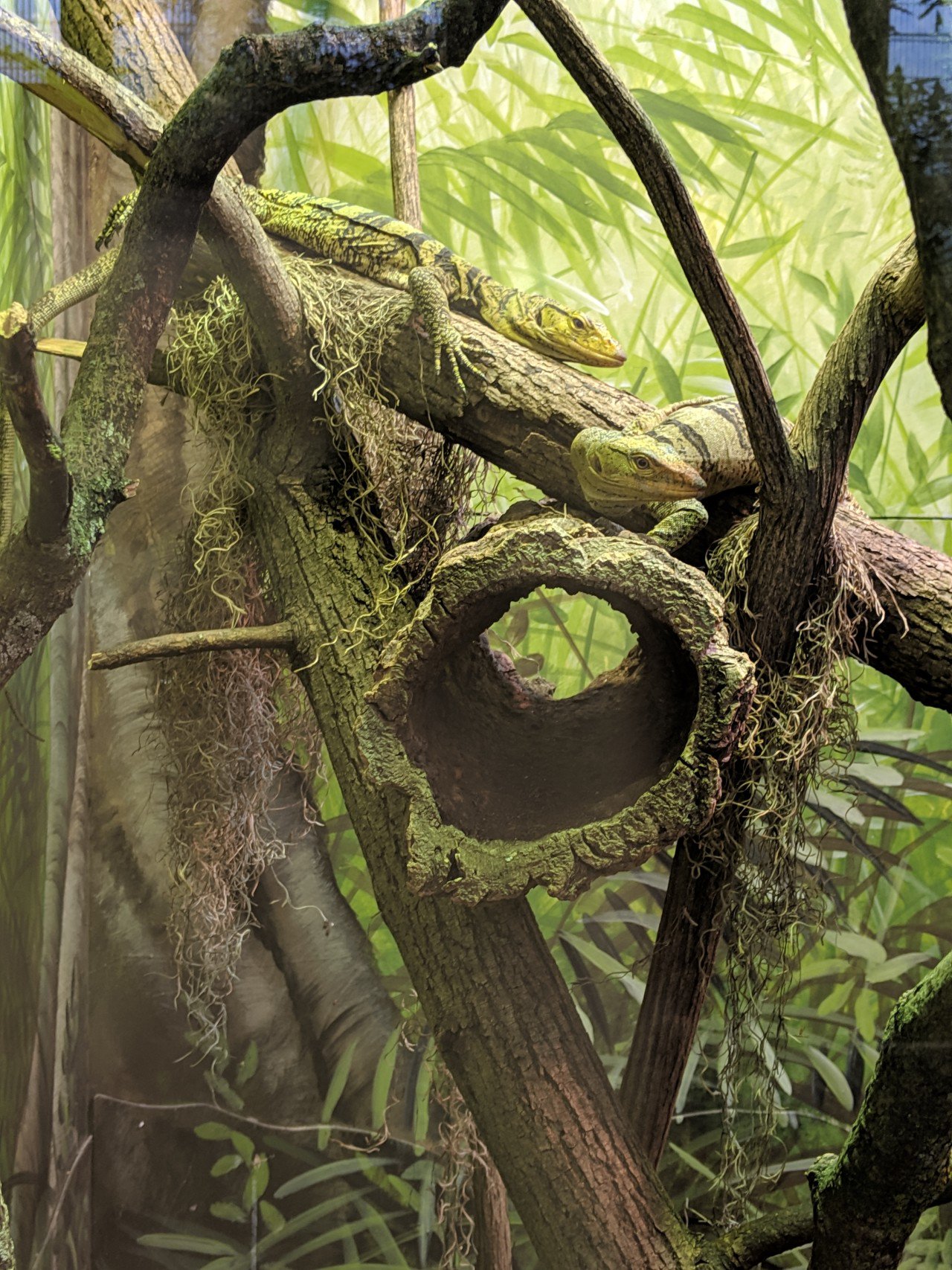
How many monitor lizards do you see? #BrookfieldZoo #WildlySurprising #lizard
Brookfield ZooVerified account
@brookfield_zoo
Jim and Ange @JimandAngecomix Mar 28
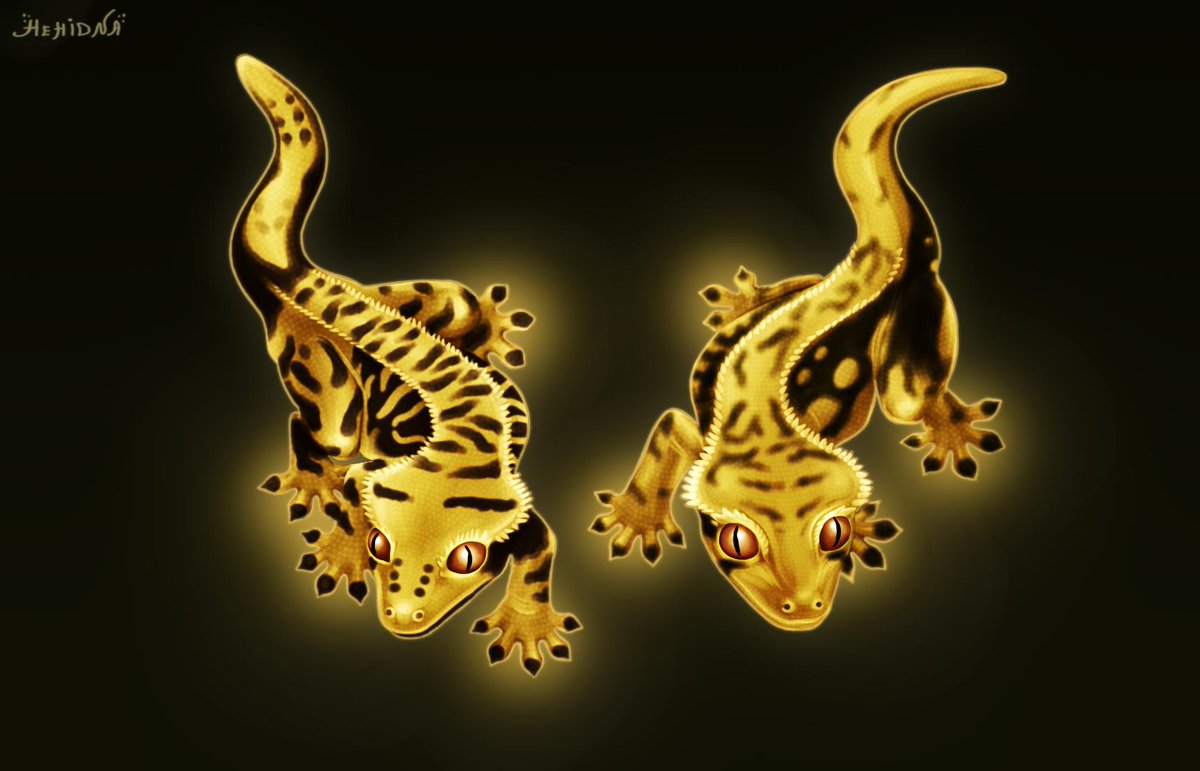
Geckos far @maria_raducanu
#geckos #lizard #digitalart

dave collier @dave_collier Apr 1
This #lizard was not very friendly. #manukanisland https://ift.tt/2OzRhmY pic.twitter.com/Zb2TgakFtY

Daniel J. Cox @danieljcox Mar 29
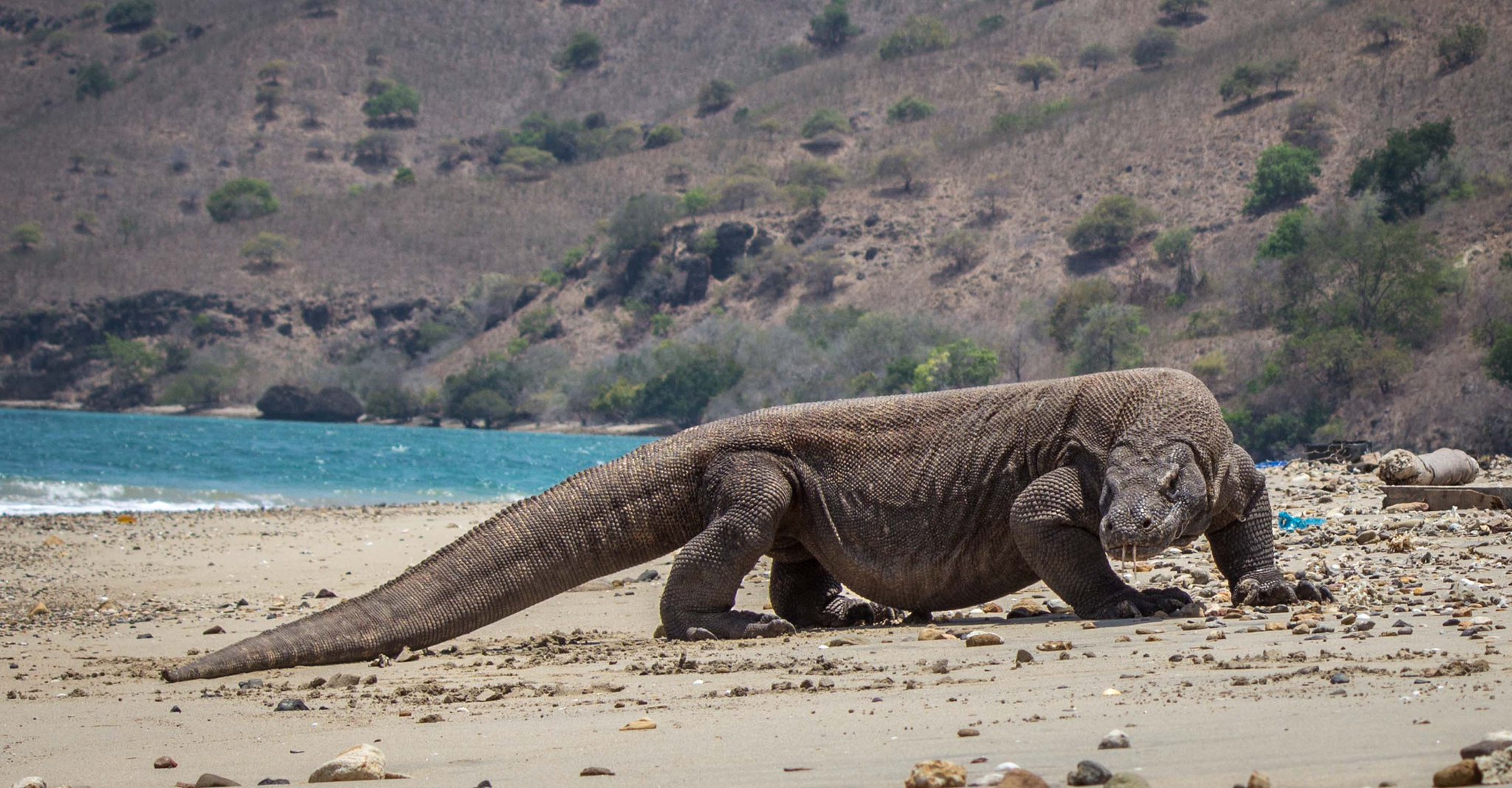
A Komodo dragon makes his way across the forest floor. These guys definitely remind me of alligators, and I'm convinced they're the land version of the same. Shot with the Lumix G9 and the Leica 50-200mm lens #lumix #wherelumixgoes #lumixg9 #G9 #reptiles #lizard

Warriors4Wildlife
🌐Ⓥ 🐾 @W4W_Global Mar 27
#WildlifeTrafficking: #Indonesian #Police on Wednesday arrested nine men suspected of trafficking #KomodoDragons, the largest living species of #Lizard, as well as other #Endangered #Birds and #WildCats destined for use in #TraditionalMedicines. https://reut.rs/2HOSPt5
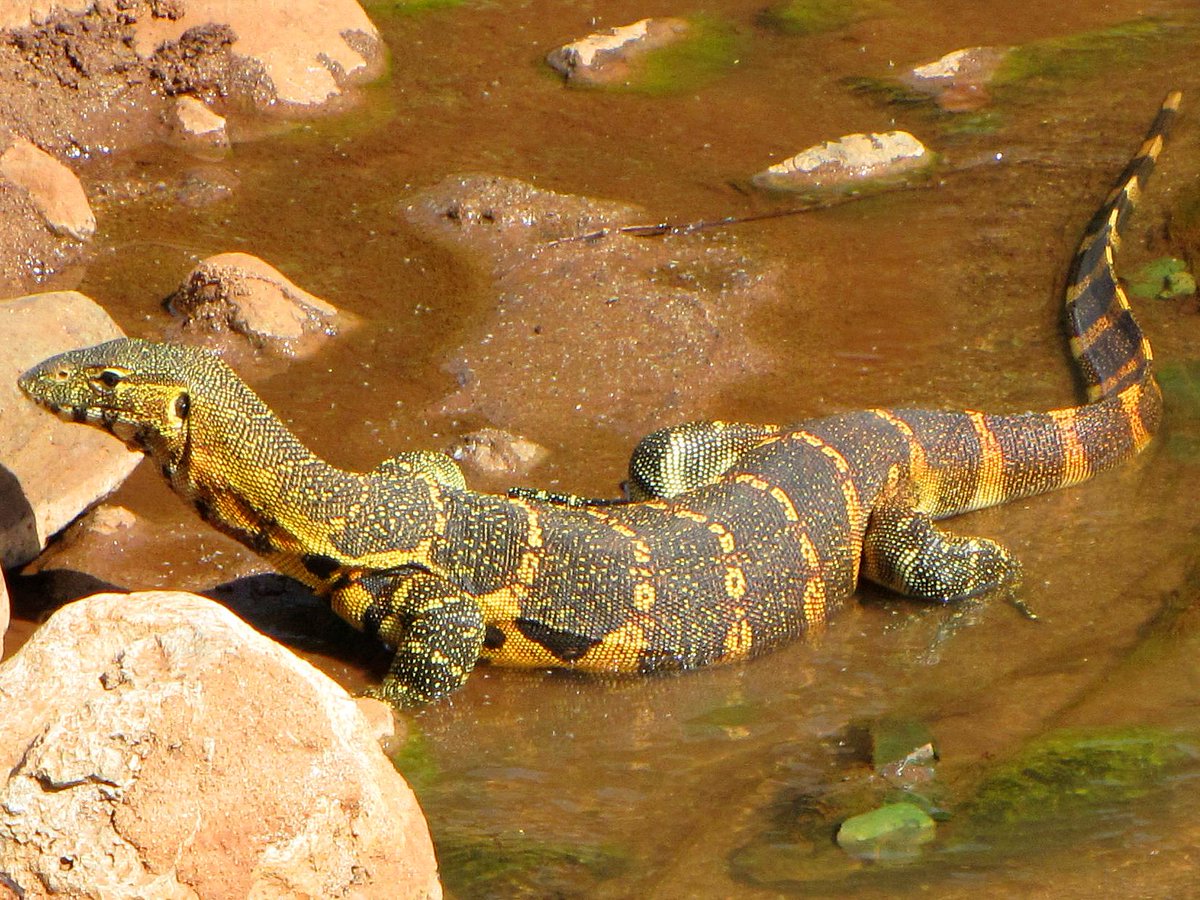
Drive 4 Wildlife @Drive4Wildlife Mar 31Drive 4 Wildlife's #AnimalFactOfTheDay Nile monitor lizards are Africa's longest lizard species! They can grow up to 2 metres in length, with their tail making up half of that length! #lizard #africa #reptile

Friday, March 22, 2019
Wednesday, February 20, 2019
Gran Canaria Giant Lizard (Gallotia stehlini)
Philip🦎@EcotrakNI @EcotrakNI A bit of holiday herping at Meloneras #GranCanaria produced lots of sightings of the Gran Canaria Giant Lizard (Gallotia stehlini) - up to 80cm long.
Sunday, February 10, 2019
Subscribe to:
Posts (Atom)