Herpetology and Me

The Inside Story: Reptile ownership often begins with a baby Green Iguana

Friday, January 25, 2019

Iguana Foundation‏ researchers


https://d2a3ux41sjxpco.cloudfront.net/carousel/file/project_photo/15421/normal_e8f7469550fd5980a17ce22dc399c0b4371b6a2c.jpg


Iguana Foundation‏ @iguanafndn Jan 20


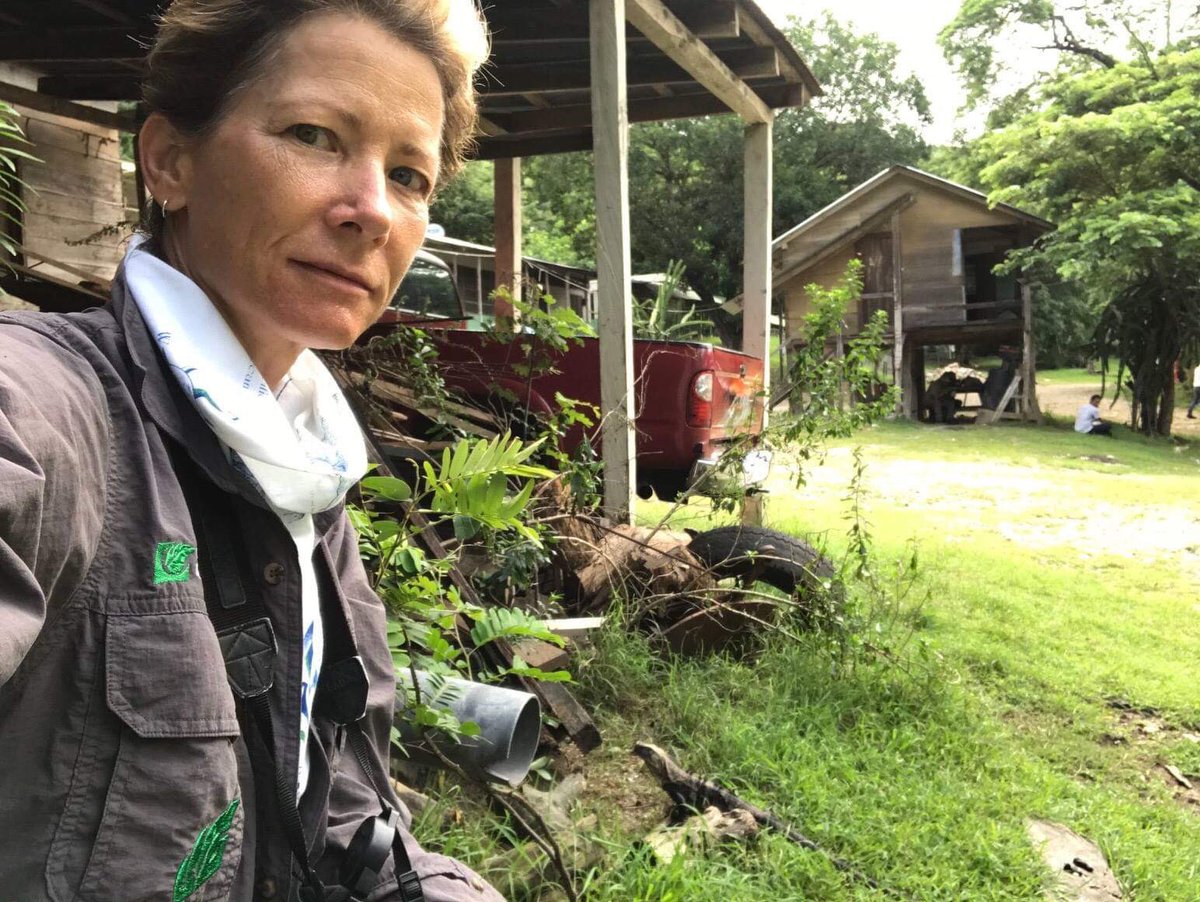
#10yrschallenge Dr Stesha Pasachnik:10yrs ago today I was on #Utila catching C.bakeri in hopes of understanding more about their genetic structure+threats. Now I have a wonderful student @Daisy_Fox87 working on what has changed. Luckily I get to go back from time to time to help!

Kanahau Utila and Daisy Fox Maryon


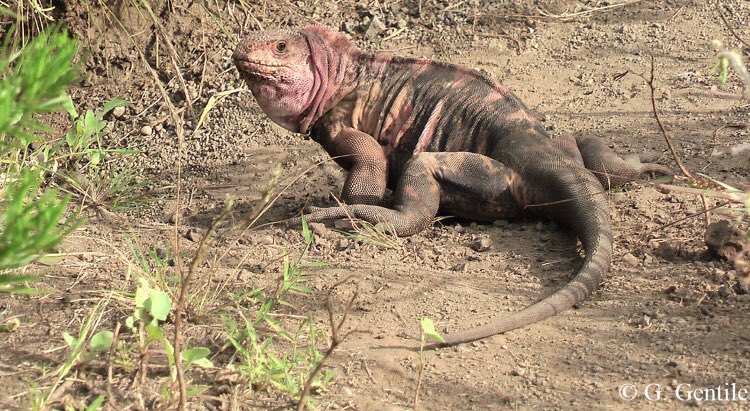
can you guess the species? 🤔


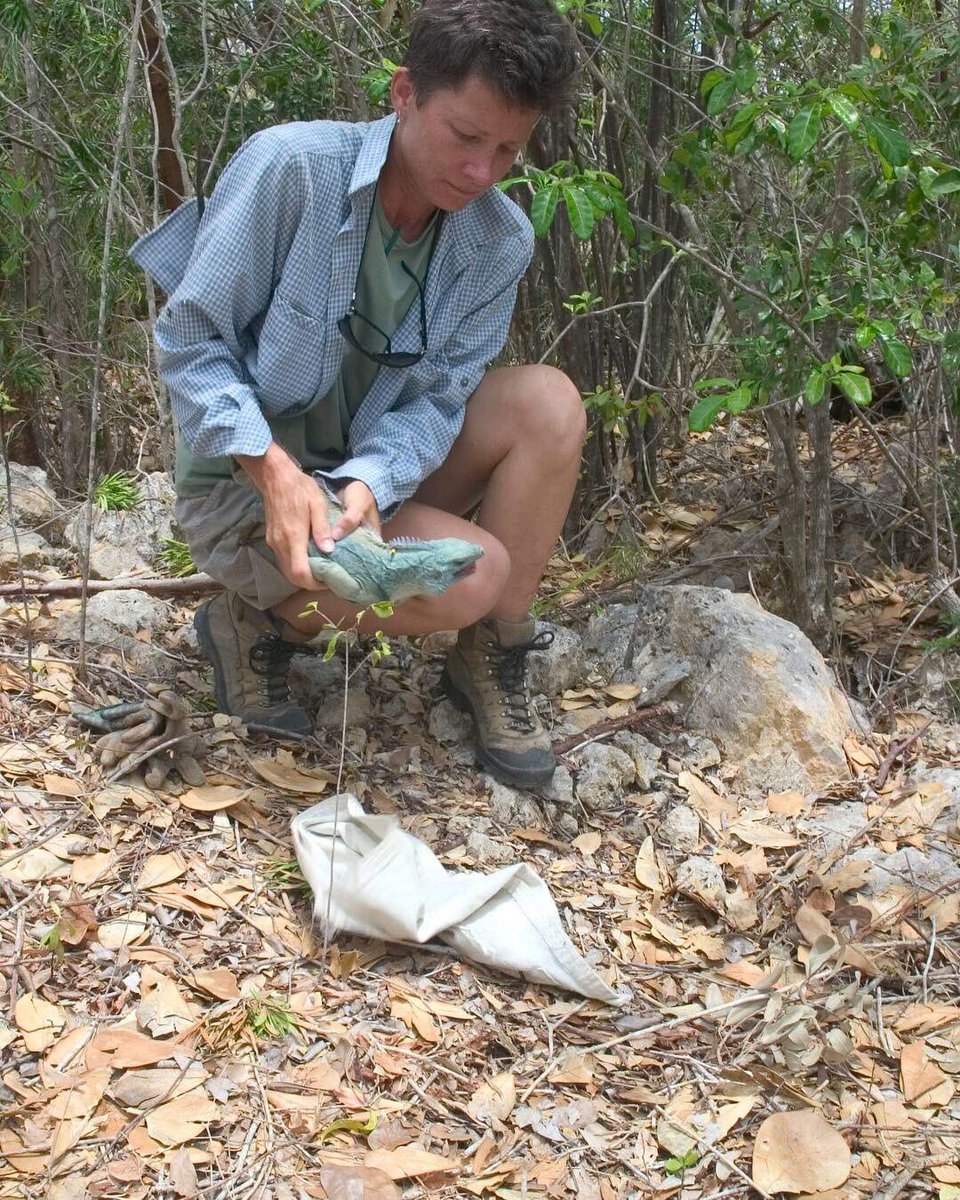
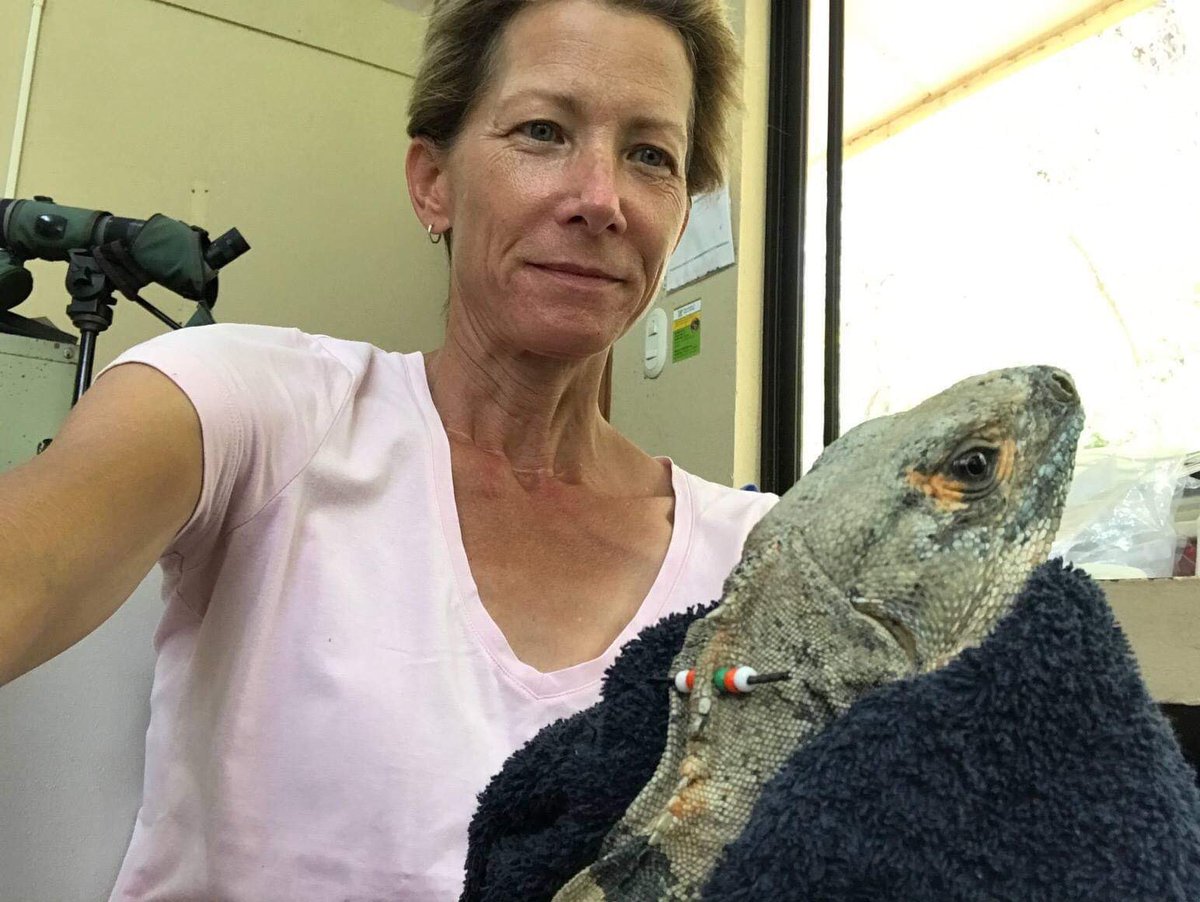
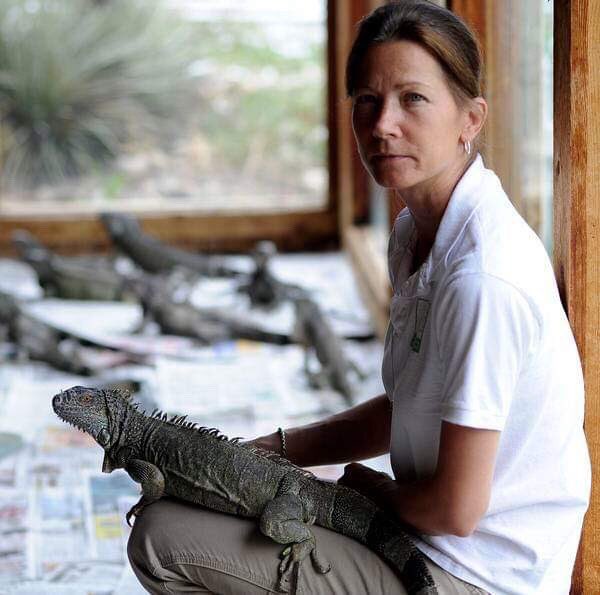
Todays #10yrchallenge...Iguana champion @IgToastChronica who has being working with iguanas since 1998!Her 1st foray with wild iguanas was in 2005 with Blue Iguanas in Grandcayman. Now in CostaRica she studies social behaviour in C.similis for her PhD! #Scicomm #womeninscience


AE Nash

0 replies 5 retweets 11 likes


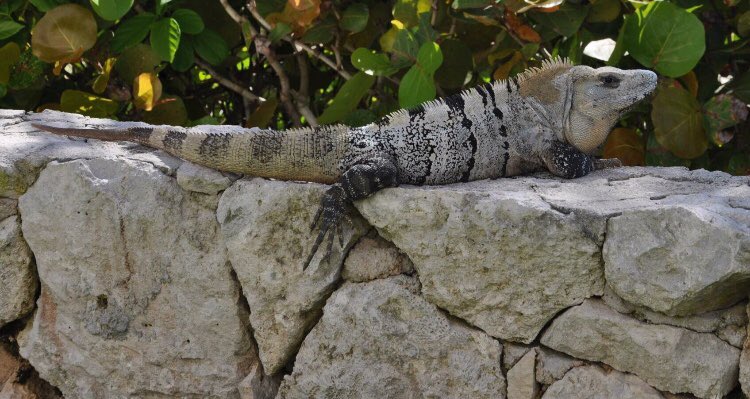
  • Have some from this Spiny tailed iguana basking on a wall in Mexico!


  • A not quite : Kim Lovich Iguana hero + curator of herpetology left: Kim’s first foray into the iguana world at the IUCN ISG meeting 2012 right: 2018 championing conservation programs+funds for Fijian iguanas in country


  • Lesser Antillean/Green Iguana Hybrids on St. Eustatius as well.....


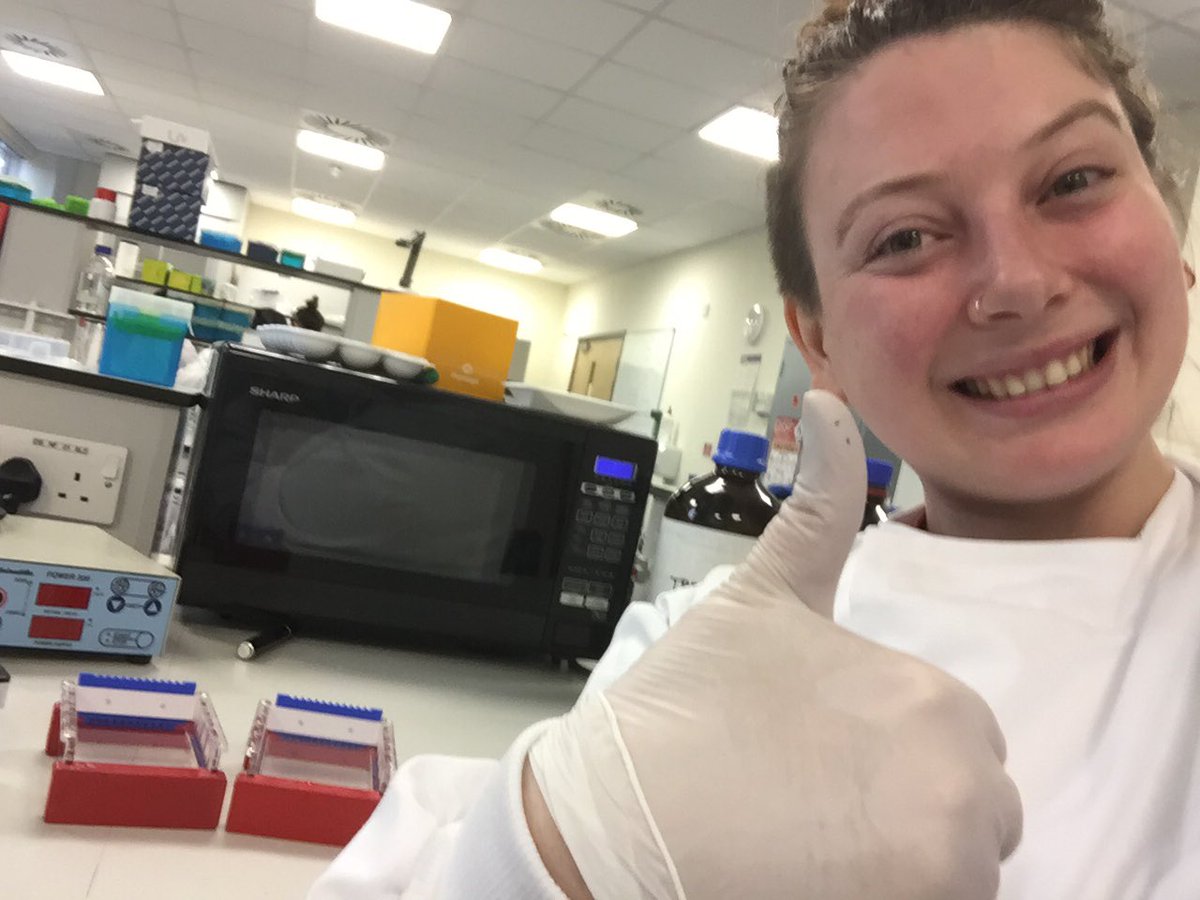
  • Waiting for my gels to set! Running iguana samples from Utila today! Fingers crossed we get good DNA and we can send off for sequencing!


  • PLEASE SHARE! We've just announced the 2019 DICE MSc Scholarship. It's open to people with at least two years work experience from Lower to Upper-Middle Income countries. Deadline 3rd March 2019. More details are here:


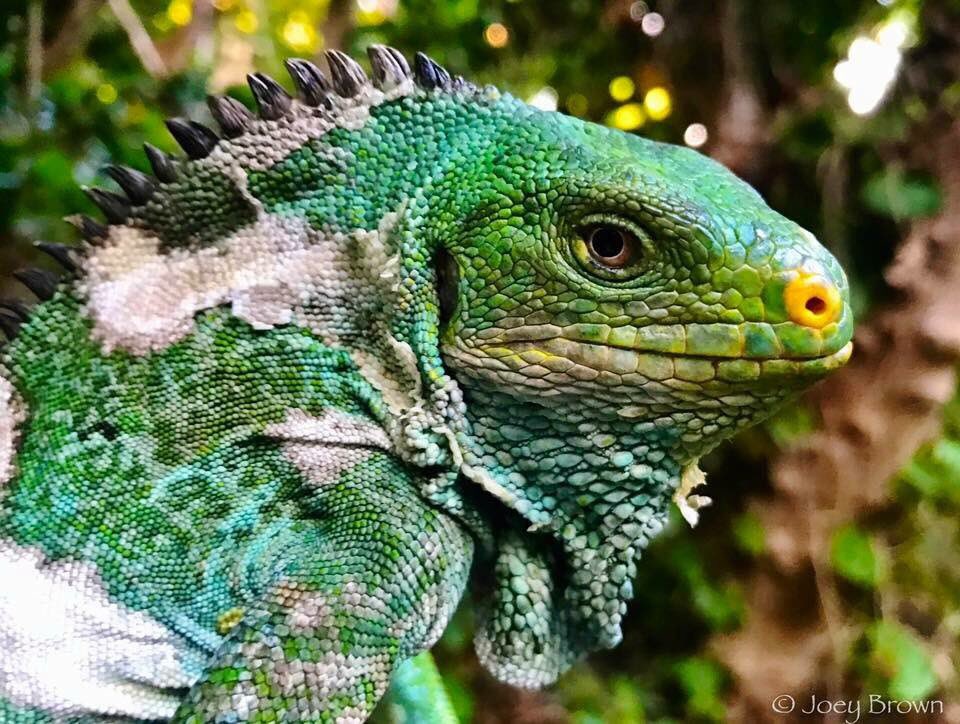
  • Good morning twitter from a rather grumpy Fiji crested iguana! 📸:


  • Iguana analysis by Nyakatura et al., used in our paper on :


    Show this thread


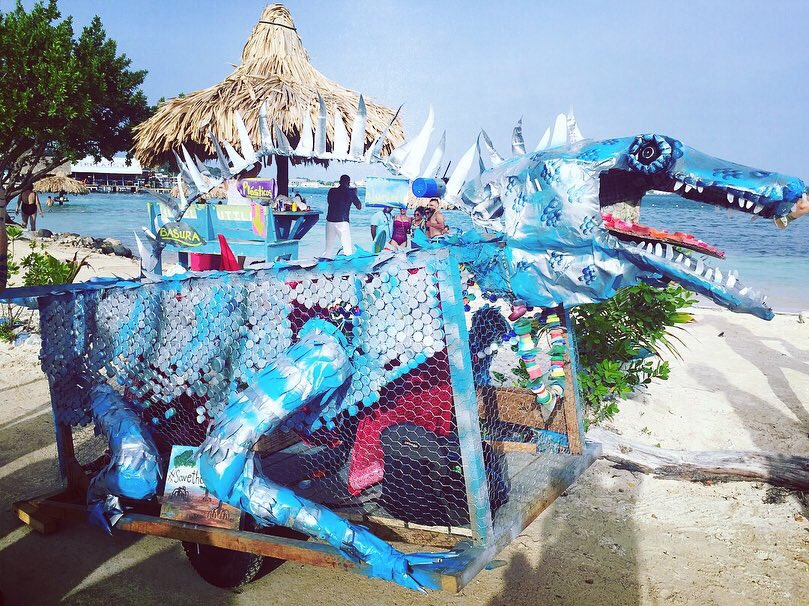
  • our awesome iguana float for the 2018 carnival! The float was made of 100% recycled trash from the beaches! It was a mobile float so that people could recycle while they partied!

    Who to follow

    ·

    Galapagos Islands Park


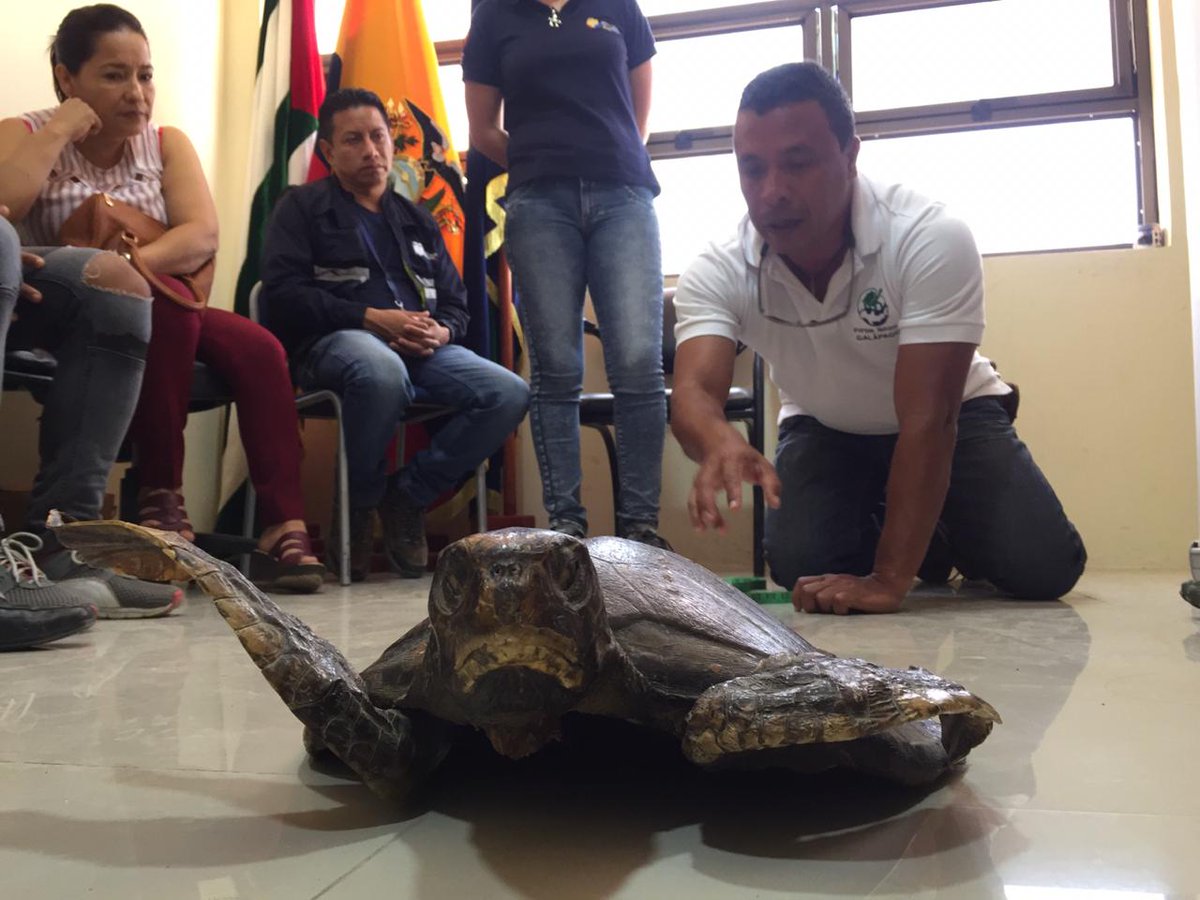
    Ranger Eduardo Espinoza provides training on marine turtle monitoring techniques to volunteers who will participate in this conservation program at Crucita.


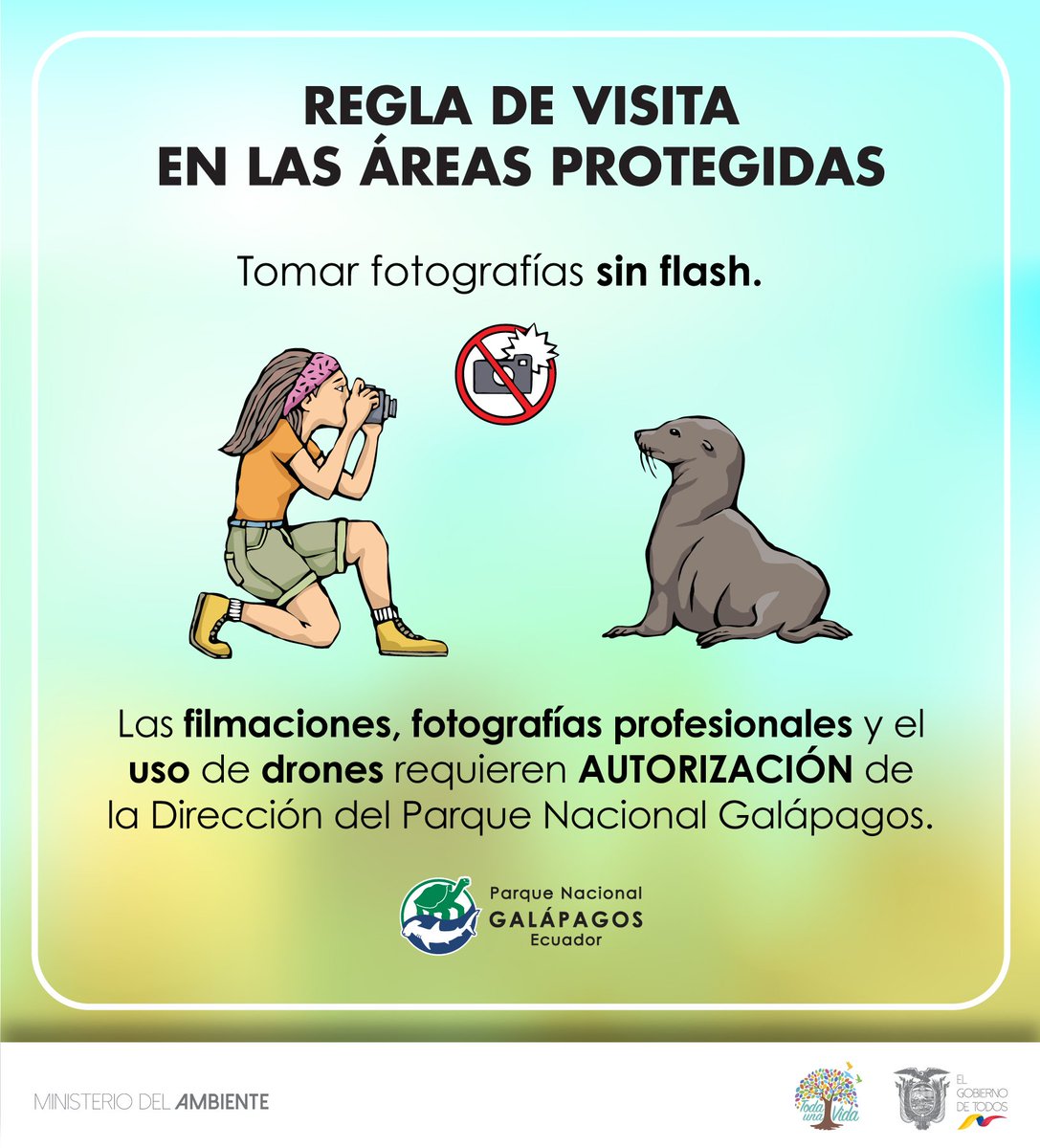
    If you are traveling to #Galápagos, remember to follow the rules of behavior in the protected areas visiting sites. #CumplamosLasReglas.


    Parque Galápagos Retweeted

    Conservación Ecuador‏ @CI_Ecuador Jan 18


    La #LimpiezaCosteraEc nació en el 2017, en el marco de la alianza interinstitucional entre @ambiente_ec, @parquegalapagos, @CI_Ecuador y Fundación @CocaColaLC, incluye jornadas de recolección de basura en áreas protegidas e impulsa la prevención con campañas de educación.


    Parque Galápagos Retweeted

    MAE Marina y Costera‏ @MAEMarinaEc Jan 18


    Viceministra María Victoria Chiriboga @mavicchiri, junto al Subsecretario Marino Costero Vicente Zavala @vzavalaz16 y el director del @parquegalapagos Jorge Carrión @JcarrionTacuri, participaron en el arranque de la jornada de #LimpiezaCosteraEc.

    Ministerio del Ambiente Ecuador and Marcelo Mata


    Parque Galápagos Retweeted

    Holguer Guerrero +‏ @HolguerGuerrero Jan 18


    Este sábado el ministro @Marcelo_MataG nos acompaña en #EcuadorPaísDeContrastes. Inicia la campaña de playas limpias. 80 toneladas de basura, especialmente plástico, llegan en el mar. Por @RadioLatinaEc 88.1 @ToroBolito1971 #ecuador #PlayasLimpias @Ambiente_Ec


    Thursday, January 24, 2019

    more iguana foundation


    Iguana Foundation‏ @iguanafndn Jan 16


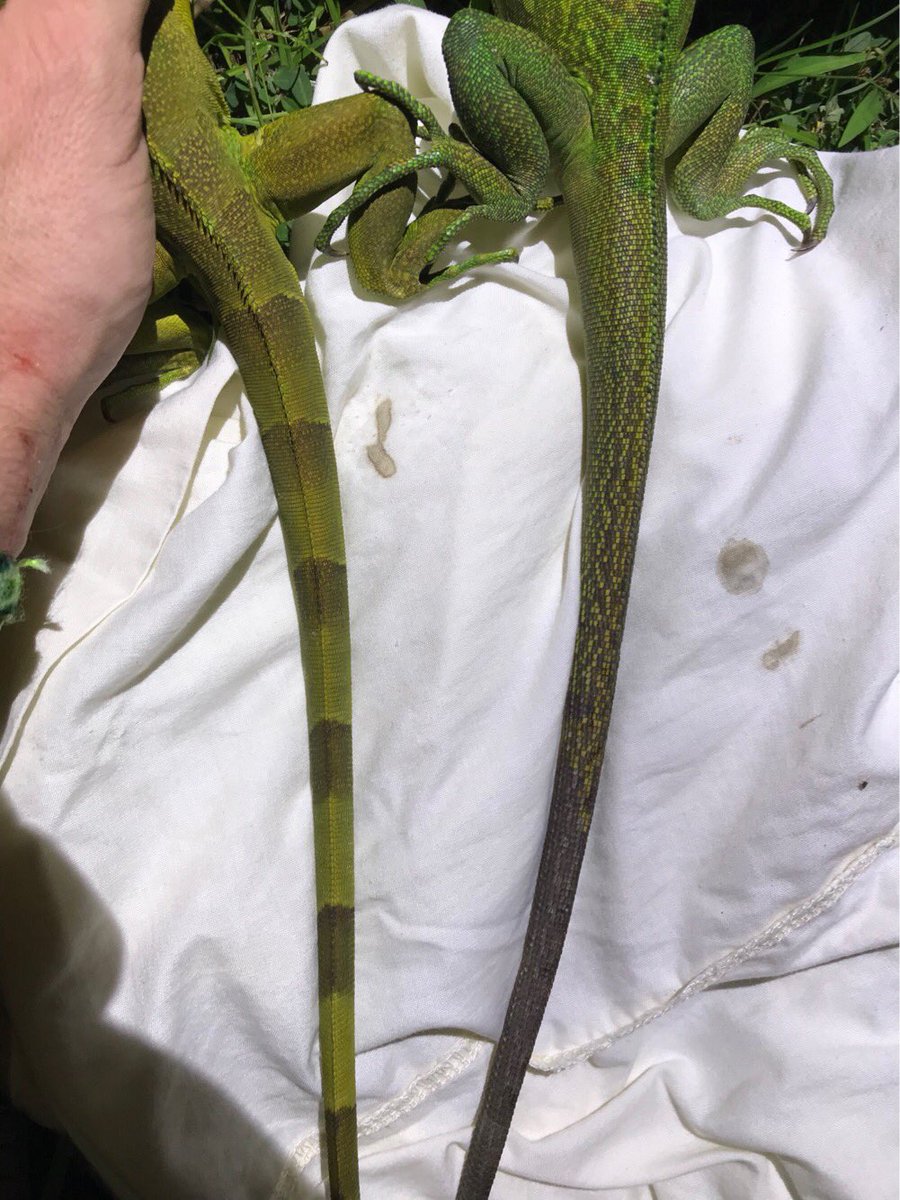
    Another important way to distinguish between the native and endemic iguana is the bands on the tail, green iguanas have black bands (left) while they are absent in the native Lesser attillean iguana #conservation #dominica #iguana


    Iguana Foundation‏ @iguanafndn Jan 16


    Looking at the differences in the heads can you tell the difference between the green iguana and lesser antillean iguana below? #whatisitwednesday #conservation #HerpTwitter


    Iguana Foundation‏ @iguanafndn Jan 16

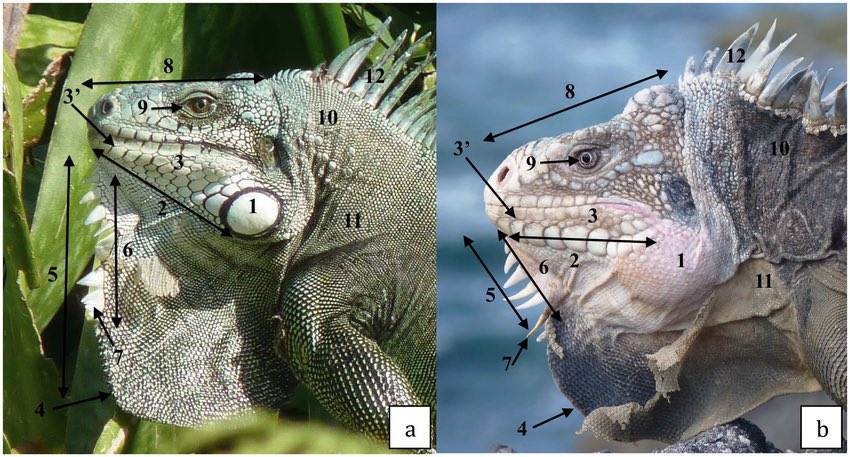
    Here you can see some of the morphological differences between green iguanas (A) and Lesser antillean iguanas (B) notice the lack of the Subtympanic plate (1) in the lesser attillean iguana #Dominica #herpetology See more here https://www.researchgate.net/publication/277893074

    _Genetic_Evidence_of_Hybridization_between_the_Endangered_Native_Species_
    Iguana_delicatissima_and_the_Invasive_
    Iguana_iguana_Reptilia_Iguanidae_in_the_Lesser_Antilles_Management_Implications …


    Good morning twitter from a rather grumpy Fiji crested iguana! :@IamJoeyBrown


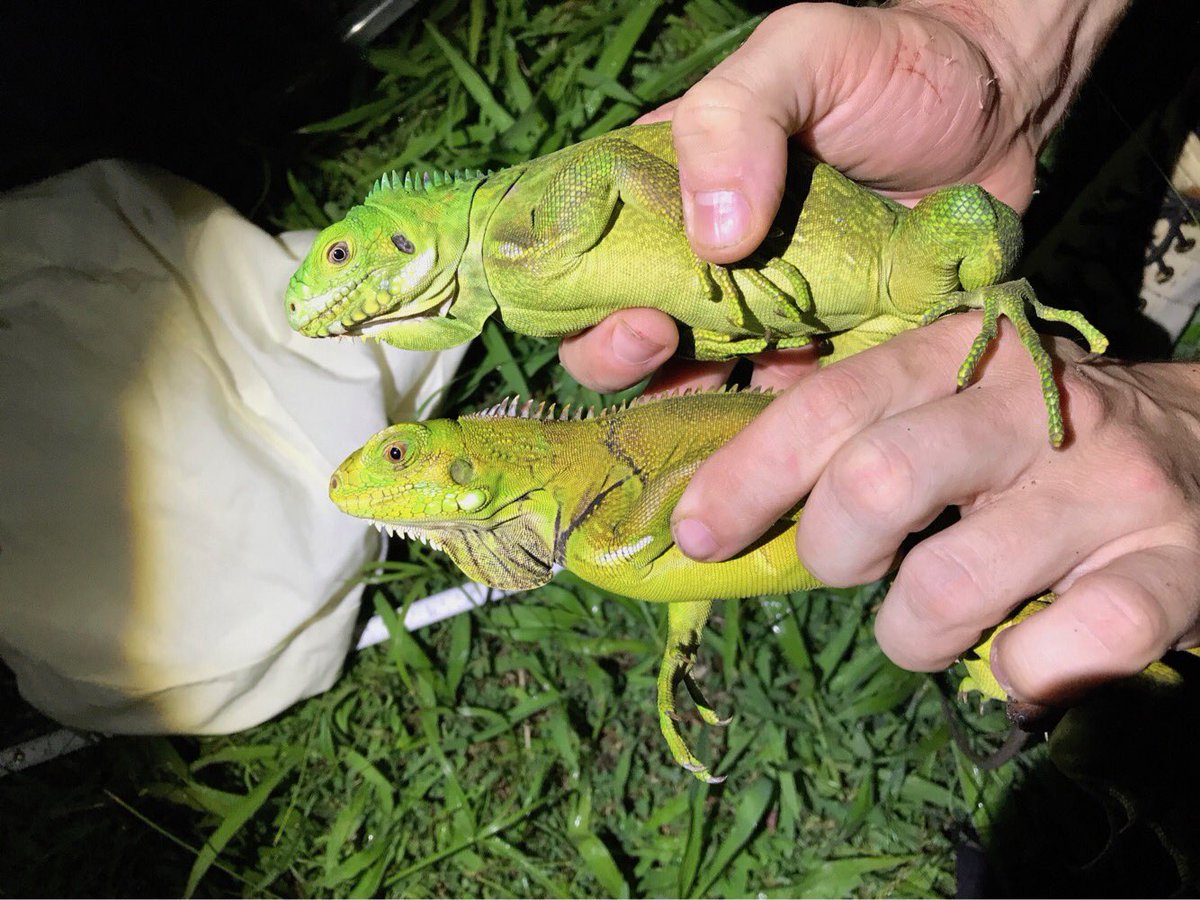
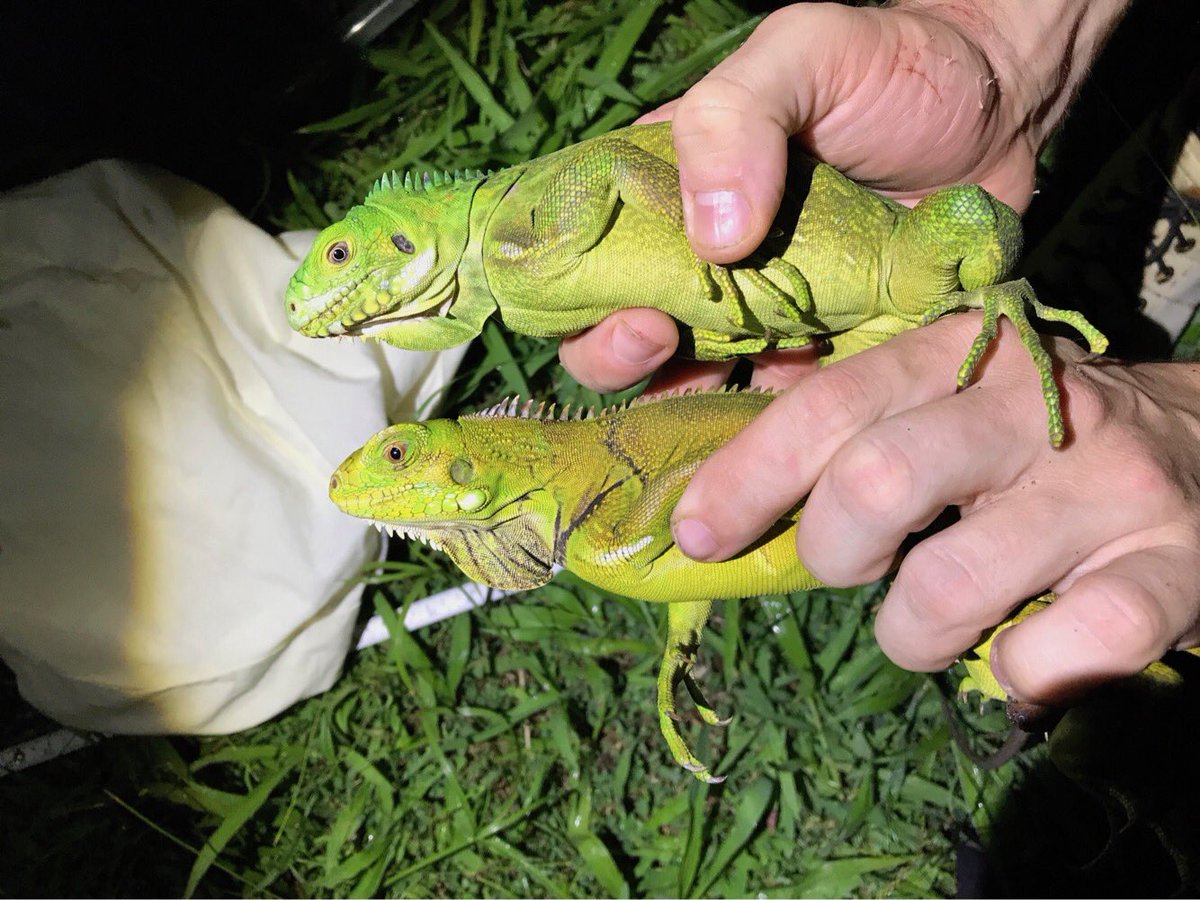
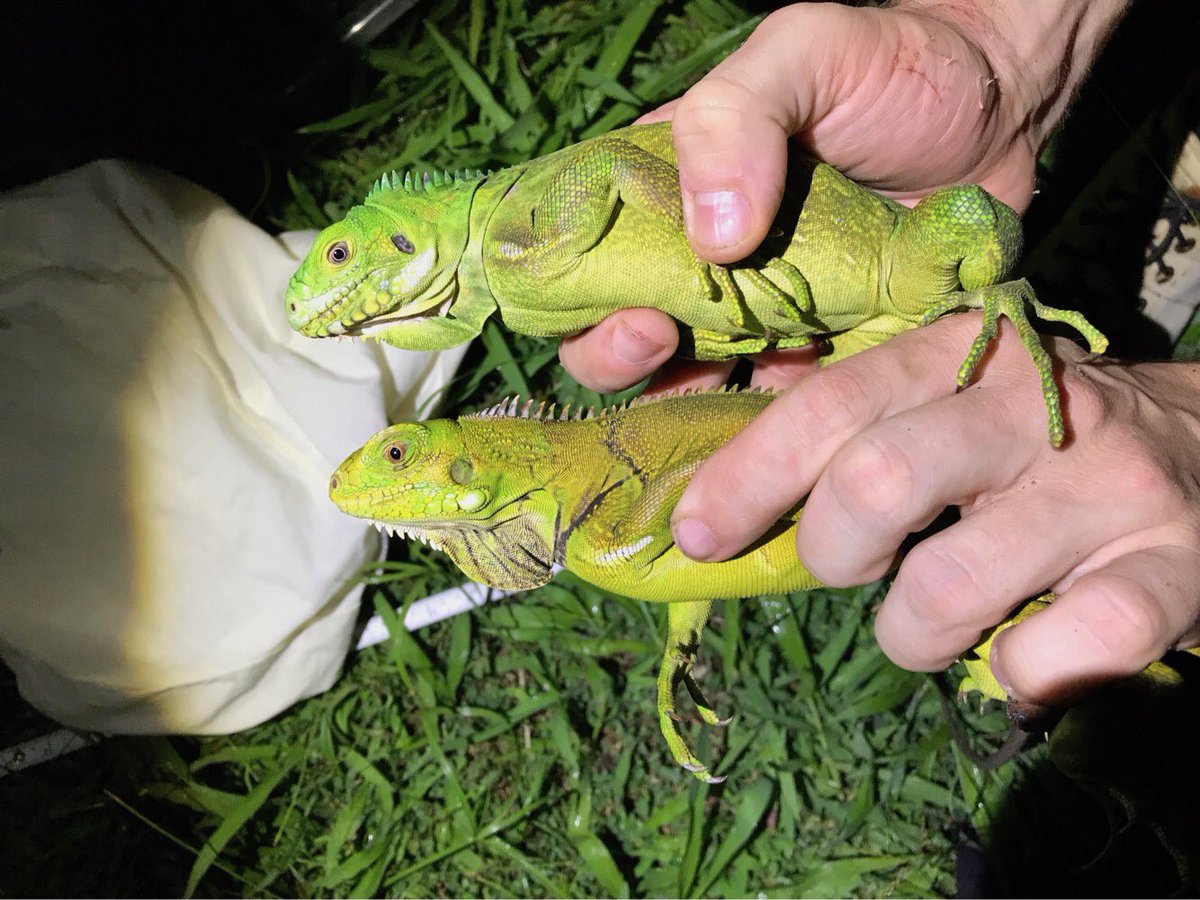
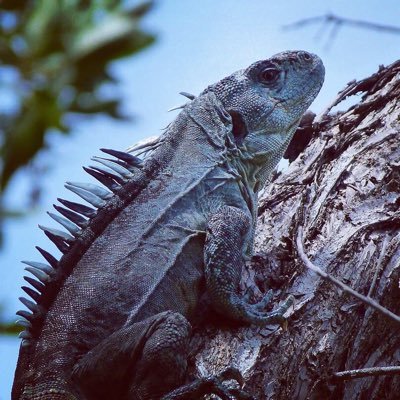
    Here are two #iguanas captured on surveys in #Dominica one is the endemic lesser antillean iguana and one the invasive green iguana, can you spot the differences? #conservation #invasivespecies #herpetology


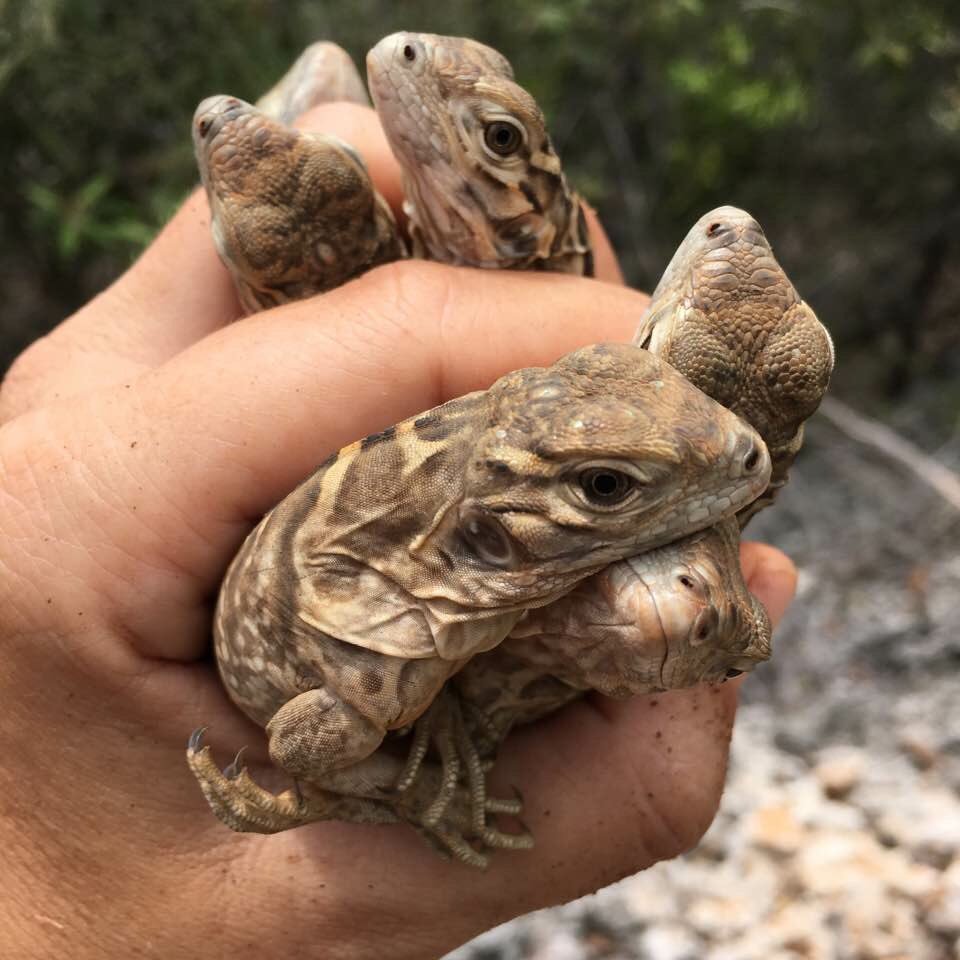
    And of course I get to continue working with all sorts of iguanas, like these hatchling Jamaican Rock Iguanas! #womeninscience #scicomm #iguanas


    Iguana Foundation‏ @iguanafndn


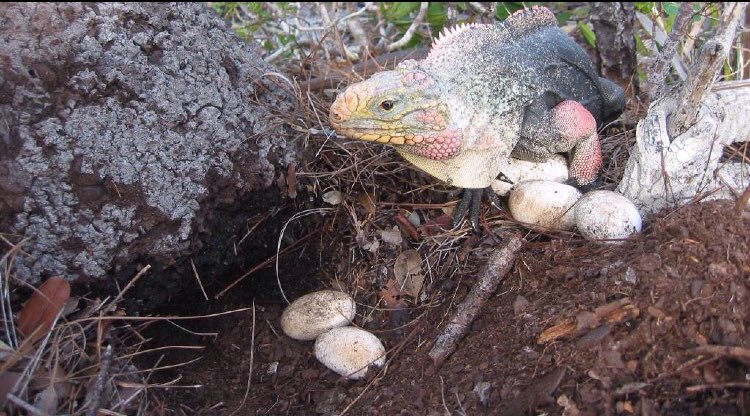
    Did you know the Andros Iguana deposits it’s eggs in termite mounds? #Herpetology #scicomm #sciencetwitter : Dr Chuck Knapp


    Iguana Foundation

    @iguanafndn

    International Iguana Foundation mission: To ensure the survival of iguanas and their habitats through conservation, awareness and scientific programs.

    Joined October 2010


    Saturday, December 22, 2018

    "Outstanding Student Research" award


    Arboreal, higher-elevation in eastern house a of impressively small-bodied . Suggested to be listed as an on the . Study:


    Sceloporus BMH post by Adam Clause highlights colorful Mexican spiny lizards! I'll try to add in some of my own photos soon


    Dec 16
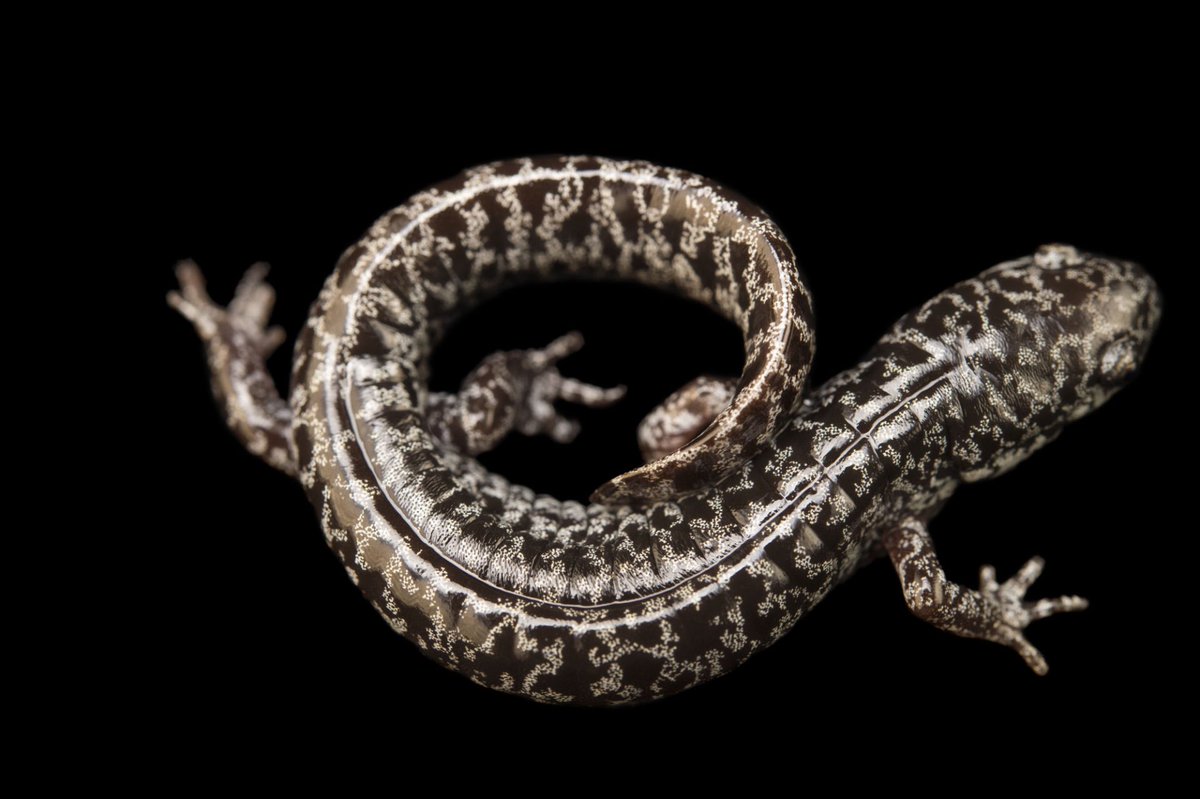
    Once common throughout South Carolina, Georgia and Florida, the frosted flatwoods salamander is now only found in two areas in Florida’s panhandle. One hope for the future of this species rests in captive management and release. 

    To find out more visit:


    Honored that gave me the "Outstanding Student Research" award for my ProcB paper on priority effects in stream catchments. Thanks so much, and to those who read the paper

    It was great to meet other students doing great things at


    Sunday, September 2, 2018

    Savannah Monitor Care


    Bosc Monitor


    Summary of a Properly supported Savannah Monitor
    1. Minimum cage size 8 feet x 4 feet x 4 feet or bigger.
    2. Deep sandy soil floor to support digging burrows.
    3. Hot basking area of 130 degrees (F) or HOTTER.
    4. 60% average humidity or higher.
    5. large water dish (Changed daily or more)
    6. several hiding areas located throughout the cage.

    Savannah Monitor Care

    www.savannahmonitor.net 


    5 Tips For Keeping The Savannah Monitor - Reptiles Magazine

    www.reptilesmagazine.com/Lizards/5-Tips-For-Keeping-The-Savannah-Monitor/
    Feed the insects leafy vegetables dusted with calcium, phosphorus and vitamin D3 powders. All three of these minerals are essential in the formation, repair and health of lizard bones. Savannah monitors undergo a considerable dietary shift when they become adults.

    A Guide to Caring for Savannah Monitors As Pets - The Spruce Pets

    https://www.thesprucepets.com › Reptiles & Amphibians › Monitor Lizards
    May 31, 2018 - Interested in caring for a pet lizard? Learn more about the care and feeding of a savannah monitor, one of the most popular pet reptiles.


    Saturday, May 26, 2018

    The Reptile Database Website

    You are here » home

    The Reptile Database

    Advanced search
    Search tips


    News

    28 February 2018 - New Release!
    • Over the past 4 months, the number of species increased from 10,639 to 10,711.
    • 72 new species have bee described and added since October 2017.

    15 October 2017 - New Release!
    • The number of species has grown from 10,544 in the May release to now 10,639 (+95 species).
    • Overall, 212 new taxa have been added or changed their status or name.

    24 December 2016 -- New Release!
    • 34 new species in this release (or 142 new species this year so far) with a few that did not make our deadline for this release.
    • A total of 10,499 species, including 80 new and changed names in this release alone (see our checklist for details).
    • 662 papers added to this release, or 1,595 references published this year, bringing our bibliography to a total of 40,550 references.

    Overview

      The Reptile Database is a taxonomic database that provides basic information about all living reptile species, such as turtles, snakes, lizards, and crocodiles, as well as tuataras and amphisbaenians, but does not include dinosaurs.
    Currently there are more than 10,000 species and an additional 2,700 subspecies. This is making reptiles the largest vertebrate group after fish (~25,000 species) and birds (~10,000 species), and significantly larger than mammals (~5,000 species) or amphibians (~6,000 species).
    The Reptile Database provides taxonomic information for the Catalogue of Life and the Encyclopedia of Life. Our taxonomic information has also been used by GenBank and many other resources and is the only comprehensive reptile database on the web.
    The reptile database can be used to find all species within a certain geographic area (e.g. all snakes of Egypt). Its collection of more than 2,500 images allow users to identify a species or at least get an idea how the species or genus may look like. More than 30,000 references provide a guide to further information.
    This database is maintained by Peter Uetz (database content) and Jakob Hallermann, Zoological Museum Hamburg (new species and updates).
    Web pages and scripting Jiri Hosek


    LINK: http://reptile-database.reptarium.cz/


    Tuesday, January 23, 2018

    Endangered Iguanas Diet


    iguana grape  

    Tourists are Giving Endangered Iguanas Diarrhea and High Cholesterol


    Hop on over to the photo-sharing site Flickr and you'll find dozens of photos and videos of people eagerly feeding grapes to hungry iguanas on the beaches of the Bahamas.

    It looks like great fun and the iguanas obviously go crazy for the fruit, which is usually fed to the lizards on the ends of long sticks.

    There's just one problem with this activity: the food is making the iguanas sick. 

    Health conditions arising from the grapes and other foods that iguanas do not normally eat in the wild include diarrhea, high blood sugar and cholesterol as well as lowered levels of potassium and a high level of parasitic infections. 

    All of these problems "could have deleterious effects on long-term fitness and population stability," according to Charles Knapp, director of conservation and research at Chicago's John G. Shedd Aquarium and the lead author of a new study of the iguanas published last week in Conservation Physiology.

    iguana grapes  

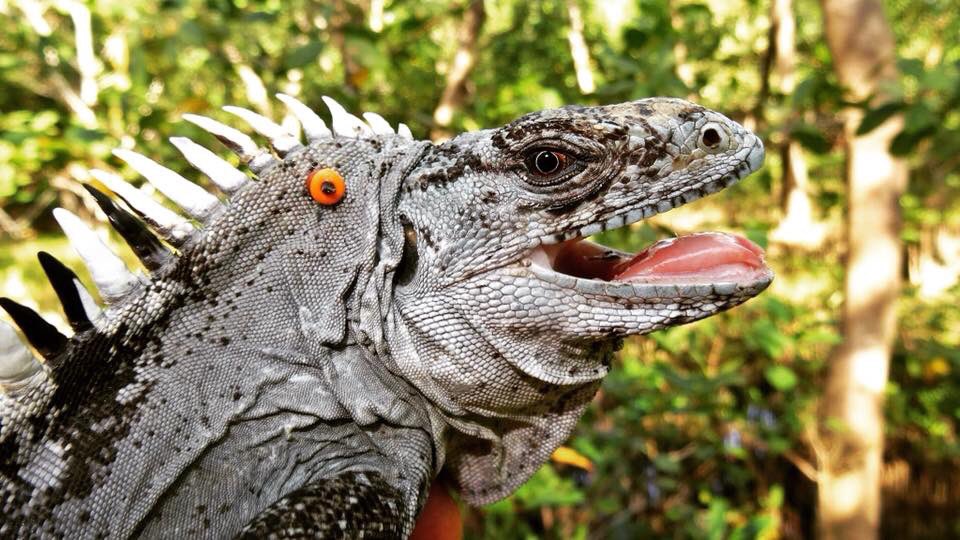
    Bahamian rock iguanas (Cyclura cychlura) live on the islands of Andros and Exuma and several small nearby cays in the island chain. Although not technically endangered, they are considered vulnerable to extinction, with a total wild population of fewer than 5,000 individuals. That count covers the entire species, which also includes three subspecies, two of which are endangered and one of which is critically endangered.

    As Knapp and his fellow researchers wrote in the paper, the feeding of wildlife is "an increasingly popular yet under-studied tourism-related activity" that is often sanctioned and encouraged for both marine and terrestrial animals. Sometimes that is beneficial, providing the animals with access to low-stress nutrition and humans with a positive conservation experience. Other times, however, feeding wildlife can cause problems, especially if it includes items from outside of their native diets.

    Consequences can include nutritional imbalances, obesity or behavior changes that have harmful long-term effects.

    Knapp and his team wanted to find out if the hundreds of weekly tourists visiting iguana habitats were having a positive or negative effect on the animals' health. They traveled to the islands in 2010 and 2012 and examined iguanas that interact with tourists as well as those in more isolated locations.

    They found that both groups of iguanas appeared the same externally but the tourist-fed iguanas—especially the more aggressive males—showed signs of nutritional imbalance. Many had diarrhea, all of them carried parasites and their blood showed abnormal levels of calcium, glucose, potassium and uric acid. The tourist-fed males also had aberrant amounts of cholesterol, copper, magnesium and other nutrients. The paper links the high-sugar, low-potassium levels to the grapes, Ground beef and other animal proteins could be causing the high cholesterol and uric acid levels found in the iguanas. (The iguanas are normally herbivorous.)

    Tourists aren't the primary threat to Bahamian rock iguanas, however. The species faces habitat loss due to construction, dangerous feral animals such as goats, collection for pet trade and illegal hunting. (They're the only iguana species still caught for food.) Those threats aren't going away anytime soon.

    In a press release Knapp said that it's unrealistic to expect tourists to stop feeding the iguanas.

    "Instead," he suggested, "wildlife managers could approach manufacturers of pelleted iguana foods and request specially formulated food to mitigate the impact of unhealthy food. Tour operators could offer or sell such pellets to their clients, which would provide a more nutritionally balanced diet and reduce non-selective ingestion of sand on wet fruit." Done right, the authors suggest, tourism could actually benefit the iguanas and give them the nutrition and safety they need in order to boost their populations. That's a worthy goal we're sure the iguanas can get behind, even if it means fewer grapes.

    Photos: Iguana with grape in its mouth by Kate Hardy, courtesy of Oxford University Press. Iguana reaching for grapes by Chris Dixon via Flickr. Used under Creative Commons license


    Previously in Extinction Countdown:
    The views expressed are those of the author(s) and are not necessarily those of Scientific American.
     

    Source: https://blogs.scientificamerican.com/extinction-countdown/tourists-are-giving-endangered-iguanas-diarrhea-and-high-cholesterol/


    Captive-bred Reptiles - Resources On-line

    https://3z2dsg30wpre3s82ui42uwfo-wpengine.netdna-ssl.com/wp-content/uploads/2018/01/grey_iggy2.jpg


    Horizontal Photograph - Male Green Iguana by Tom Schwabel
    Male Green Iguana is a photograph by Tom Schwabel which was uploaded on July 10th, 2012.

    Darren Hamill Reptiles – Captive-bred Reptiles

    Source: https://www.darrenhamillreptiles.com/


    In my opinion nothing beats the “old school” forums.

    Why? Because in my experience, forums contain an archive of both old and new information from breeders and enthusiasts with different and valuable experiences to share.

    There are threads from years ago that still contain valuable information that you just don’t see elsewhere
    .
    Therefore, consider these resources :

    Facebook Groups:

    Besides the fact that I prefer the old school forums, there are still a number of Facebook groups that I subscribe to.

    Research:

    For those of you that enjoy the research side of things:

    Source: https://www.darrenhamillreptiles.com/


    Saturday, December 2, 2017

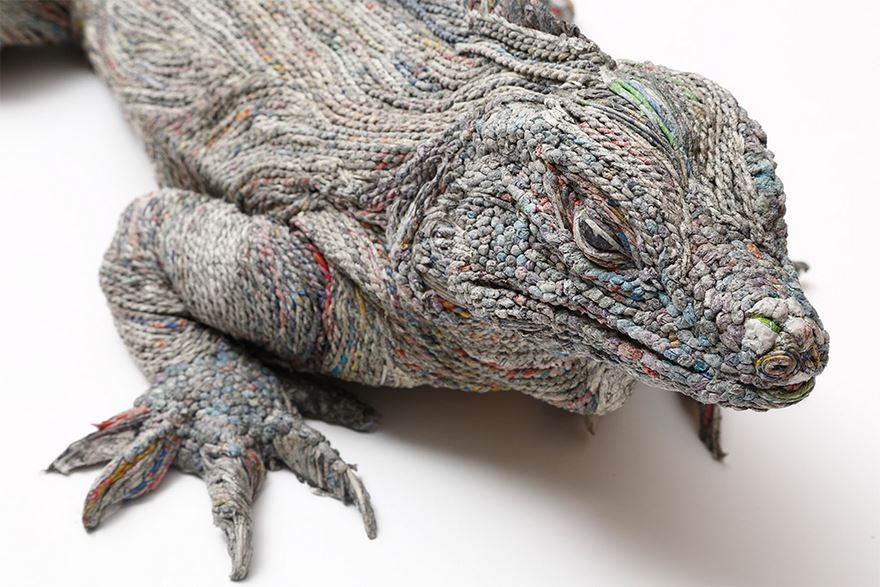
    Japanese paper artist Chie Hitotsuyama creates sculptures of animals


    Japanese paper artist Chie Hitotsuyama creates sculptures of animals using a technique involving rolled strips of wet newspaper #womensart


    Nov 14, 2016 - Chie Hitotsuyama spent much of her childhood surrounded by the sights, sounds, smells, and feel of her grandfather's traditional paper-strip factory in Fuji, Shizuoka Prefecture, Japan. Much of the machinery was quite old and wooden, and the infusion of traditional practices helped to shape Ms.


    Thursday, November 2, 2017

    Iguana Rescued From Middle Of The Ocean


    Iguana Rescued From Middle Of The Ocean | 
    This iguana was stranded MILES
    from land out in the middle of the ocean and he was so exhausted from
    swimming. 
    But luckily he was able to hitch a ride on a boat and get a
    lift towards the shore.
    Credit: Steve Nakano via JukinVideo (https://www.jukinmedia.com/
    YT Site Entry Description (Credit)

    Love Animals? Subscribe: https://www.youtube.com/channel/UCINb...